
For most system administrators and engineers, "Security-Focused Dark Web Resources for System Admins" offers the most relevant content, providing essential information on protecting systems and data. However, those primarily interested in threat intelligence and proactive defense strategies might find "Investigative and OSINT Resources on the Dark Web" more beneficial. For individuals prioritising personal privacy over organisational security, "Privacy and Anonymity Tools & Services on the Dark Web" is the optimal choice.
Selection Criteria for Dark Web Resources
Security Audit and Vulnerability Disclosure
Prioritise services that have undergone independent security audits and publicly disclose any identified vulnerabilities. This demonstrates a commitment to user safety and proactive risk management, which can be verified by searching for audit reports or security advisories on their platforms or reputable security news sites.
Operational History and Stability
Consider the longevity and consistent operation of a service. Established platforms with a track record of continuous availability and development often indicate a more reliable and trustworthy resource, which can be assessed through historical data available on dark web archival sites or community forums.
Community Reputation and Peer Review
Evaluate the general consensus and feedback from the dark web community regarding a service's trustworthiness and functionality. Active discussions on forums and review sites can highlight potential issues or endorse reliable options, though cross-referencing multiple sources is advisable to mitigate bias.
Transparency in Data Handling Policies
Look for clear and explicit statements regarding data retention, encryption practices, and user privacy policies. Services that openly communicate how they manage and protect user information are generally more dependable, and this information should be readily accessible within their documentation or 'About Us' sections.
Technical Infrastructure and Redundancy
Assess the underlying technical architecture, specifically looking for evidence of robust infrastructure and redundancy measures. Services that detail their use of distributed servers, load balancing, or other resilience strategies are less prone to downtime or single points of failure, which can be inferred from technical write-ups or community discussions.
Best Dark Web Pages: Top Recommendations
| Type | Access Method | Security Features | Privacy Tools | Legitimacy Verification | Use Case |
|---|---|---|---|---|---|
| Essential Dark Web Directories | Tor Browser | HTTPS-Only Mode, Bridge Configuration | N/A | Onion icon verification | Finding onion sites |
| Search Engines | Tor Browser | HTTPS-Only Mode | N/A | Onion icon verification | Searching for specific content |
| Security-Focused Resources | Tor Browser | Best practices for anonymity | Tor Browser, VPN | N/A | Learning about dark web security |
| Privacy and Anonymity Tools | Tor Browser | VPN, Tor Browser | VPN services, secure email | N/A | Enhancing privacy while browsing |
| Investigative Resources | Tor Browser | Best practices for anonymity | N/A | N/A | Conducting OSINT investigations |
| Verifying Onion Links | Tor Browser | N/A | N/A | Onion icon verification | Ensuring site legitimacy |
| Operational Security Practices | Tor Browser | Best practices for anonymity | N/A | N/A | Safe navigation of the dark web |
Understanding the Dark Web Ecosystem for Professionals
The dark web is a segment of the deep web that has been intentionally hidden, accessible primarily through special software like Tor. This segment hosts websites that are not indexed by traditional search engines and require specific configurations to access, making it a distinct environment for users seeking anonymity and privacy[1].
Anonymity on the dark web is largely facilitated by the Tor network, which operates by routing internet traffic through a series of volunteer-operated servers, obscuring the user's location and usage from surveillance. Using the Tor Browser is essential for navigating this space securely; it is designed to protect users' identities while allowing access to .onion sites, which are specific to the Tor network[2]. When using Tor, caution is needed, especially regarding the submission of personal information, as this can compromise anonymity[2].
From an operational perspective, the deep web encompasses all content not indexed by search engines, including databases and private corporate sites. The dark web, however, is a small fraction of the deep web characterised by its illicit activities and hidden nature. While both require special access methods, the dark web is often associated with illegal transactions and anonymity tools, whereas the deep web includes a broader range of legitimate content[1].
For professionals, understanding these distinctions is crucial for effective navigation and security practices in the dark web environment. Engaging with this ecosystem involves recognising the risks, such as exposure to malware or illicit content, and implementing best practices to mitigate these threats[2].
Essential Dark Web Directories and Search Engines
Finding reliable directories and search engines on the dark web can be challenging due to the obscured nature of many sites. Here are some of the most notable options:
Ahmia
Ahmia is a search engine designed specifically for .onion sites. It indexes a variety of hidden services and provides a clean interface for users. Ahmia's strength lies in its filtering capabilities, allowing users to find legitimate content more easily. However, it does not index all available .onion sites, which may limit search results. Ahmia is suitable for users looking for a straightforward search experience without a steep learning curve.
Torch
Torch is one of the oldest search engines for the dark web, known for its extensive indexing of .onion websites. It offers a wide range of results, making it a go-to resource for users seeking various types of content. The main limitation is that Torch may occasionally list illicit or unsafe sites, requiring users to exercise caution. This search engine is ideal for experienced users who understand the risks involved in navigating the dark web.
Onion URL Repository
The Onion URL Repository serves as a directory for .onion sites, providing a curated list of links. Its strength lies in the fact that it focuses on legitimate and active sites, making it easier for users to find reliable resources. However, the repository may not be updated frequently, leading to dead links or outdated information. This directory is best suited for users who prefer a more controlled environment while exploring the dark web.
Challenges of Finding Legitimate Sites
Locating trustworthy sites on the dark web presents significant challenges. Many directories and search engines may include links to malicious or illegal content. Furthermore, the dynamic nature of the dark web means that sites can disappear or change frequently. Users must remain vigilant and apply critical thinking when evaluating the legitimacy of the sites they encounter. Employing best practices, such as using HTTPS and avoiding personal information submission, is essential for a safer browsing experience[2].
Security-Focused Dark Web Resources for System Admins
System administrators seeking security-focused resources on the dark web can find a variety of platforms dedicated to security research, exploit databases, and vulnerability information. These resources often include forums and communities that facilitate discussions around cybersecurity topics.
Notable Resources
One prominent example is the "Exploit Database," which archives a vast range of exploits and vulnerabilities. This site provides detailed descriptions and proof-of-concept code, making it invaluable for security professionals. However, users should approach such databases with caution, as they can also contain outdated or unverified exploits.
Another useful resource is "Hack Forums," a community where individuals discuss various aspects of cybersecurity, including penetration testing and exploit development. While the forum can provide insightful discussions, it is essential to verify information through reputable sources, as not all contributions are reliable.
Threat Intelligence Resources
For threat intelligence, "SecWiki" is a notable community-driven platform that shares information on vulnerabilities and security threats. It aggregates data from multiple sources, which can be beneficial for system admins looking to stay informed about emerging threats. Nevertheless, the accuracy and relevance of the information can vary, necessitating careful scrutiny.
Considerations
These resources typically operate under the Tor network, necessitating the use of the Tor Browser for access[1]. While they provide critical information, users must remain vigilant about their anonymity. Engaging in discussions or sharing personal information can compromise security[2]. For optimal safety, employing additional privacy tools and adhering to best practices is recommended[2].
Privacy and Anonymity Tools & Services on the Dark Web
Enhancing operational security (OpSec) is crucial for professionals navigating the dark web. Several tools and services can significantly improve privacy and anonymity when accessing this segment of the internet.
The Tor Browser is the primary tool for secure browsing on the dark web. It routes traffic through multiple servers, disguising users' IP addresses and locations[1]. For optimal use, it is essential to enable HTTPS-Only Mode, ensuring that all connections are encrypted[2]. However, caution is necessary when submitting personal information on any site, as this can jeopardise anonymity[2].
VPN services are another layer of security that can be employed alongside Tor. They encrypt internet traffic and mask the user's IP address, providing additional anonymity. This dual-layer approach can be particularly beneficial for system administrators handling sensitive data. However, users should select reputable VPNs that do not log user activity, as poor choices can compromise privacy[3].
Secure communication tools, such as encrypted messaging apps, are vital for exchanging information without revealing identities. Applications like Signal offer end-to-end encryption, making them suitable for confidential discussions. However, users should be aware that no tool is foolproof; understanding the limitations and risks of each service is essential for maintaining operational security.
In summary, using the Tor Browser, VPNs, and secure messaging applications can significantly enhance privacy for system administrators operating in the dark web environment. It is essential to stay informed about best practices and potential vulnerabilities to ensure effective security measures are in place[2].
Investigative and OSINT Resources on the Dark Web
The dark web offers various resources for open-source intelligence (OSINT) gathering, catering to professionals involved in investigative work. These resources include data dumps, archives, and forums that can provide valuable insights into illicit activities, security vulnerabilities, and trends.
Notable Sites for OSINT
One example is the "Dark Web Data Dumps" site, which aggregates leaked data from various breaches. This archive can be useful for identifying compromised credentials or sensitive information, although the legality of accessing such data should be carefully considered. Another resource is "OSINT Framework," a curated collection of tools and techniques for gathering intelligence from various sources, including the dark web. It provides links to relevant tools and databases, making it easier for investigators to navigate.
Ethical and Legal Considerations
When engaging with these resources, ethical considerations are paramount. Users must be aware of the legal boundaries regarding data access and use. Accessing or distributing sensitive information without consent can lead to legal repercussions. Therefore, it is essential to operate within the bounds of the law and ensure that any data utilised for investigative purposes is sourced ethically.
Strengths and Limitations
These resources can significantly enhance investigative capabilities, providing access to information that may not be available through traditional channels. However, the dark web is also fraught with risks, including exposure to malware or misleading information. Users should approach these sites with caution and employ best practices for security, such as using the Tor Browser and avoiding the submission of personal information[2].
In summary, while the dark web offers valuable resources for OSINT, professionals must navigate this space with awareness of ethical and legal implications, ensuring that their investigations are conducted responsibly.
Verifying Onion Links and Avoiding Phishing Attempts
Verifying onion links is crucial for maintaining security while browsing the dark web. Here’s a step-by-step guide to ensure you’re accessing legitimate sites:
- Use Tor Browser: Always access .onion sites through the Tor Browser, which is specifically designed for this purpose[1].
- Check the URL: Ensure the link ends in ".onion". If you encounter a red slash icon over the onion symbol in Tor, it indicates potential issues, such as insecure connections or expired certificates[4].
- Look for HTTPS: Prioritise sites that use HTTPS encryption. The Tor Browser’s HTTPS-Only Mode can enforce this[2].
- Avoid Personal Information: Never submit personal details on any site; doing so can compromise your anonymity[2].
- Use Trusted Directories: Rely on reputable sources for onion links, such as verified directories or recommendations from trusted users.
Phishing attempts on the dark web often involve deceptive sites that mimic legitimate services. Common tactics include:
- Fake Login Pages: These may look identical to real sites, tricking users into entering credentials.
- Malicious Links in Forums: Links shared in forums can lead to phishing sites. Always verify through multiple sources before clicking.
- Social Engineering: Scammers may engage users in conversations to extract personal information.
To counter these tactics, practice the following best practices:
- Source Authentication: Always verify the credibility of the source providing the link. Cross-check with multiple reliable references.
- Use Tor Bridges: If concerned about traffic monitoring, configure Tor to use bridges for added anonymity[2].
- Download with Caution: Be mindful of files downloaded through Tor; avoid opening documents while online as they may reveal your IP address[2].
Implementing these strategies can significantly reduce the risk of falling victim to phishing attempts and enhance your overall security while navigating the dark web.
Navigating the dark web requires robust operational security (OpSec) measures to protect personal and organisational data. System administrators should implement several best practices to mitigate risks effectively.
Use of Dedicated Virtual Machines
Creating a dedicated virtual machine (VM) for dark web activities is advisable. This isolates the browsing environment from the main operating system, reducing the risk of malware exposure and data leaks. Using a clean VM ensures that any potential malicious software does not compromise the primary system.
VPN Chaining
Employing VPN chaining adds an additional layer of security. By routing traffic through multiple VPNs, you further obscure your IP address and location, making it more challenging for adversaries to trace your activities. This method is particularly useful for system administrators handling sensitive data.
Avoid Personal Information
When browsing the dark web, it is crucial to avoid submitting personal information. Providing details such as your name or email can compromise anonymity and expose you to security risks[2]. Always be cautious when filling out web forms, as the consequences can be significant.
Importance of Secure Browsing Environments
Utilising the Tor Browser is essential for secure dark web navigation[1]. It encrypts traffic and helps maintain anonymity. Additionally, enabling HTTPS-Only Mode ensures that connections are secure and encrypted[2]. Users should also be aware of the risks associated with downloading files, as they can potentially leak your IP address if opened while online[2].
Legal and Ethical Considerations
Engaging with the dark web comes with legal and ethical responsibilities. System administrators must remain aware of the boundaries of legal access and usage of information. Accessing or distributing sensitive data without consent can lead to serious legal repercussions. Therefore, ensuring that all activities comply with legal standards is paramount.
In summary, by employing dedicated VMs, VPN chaining, and secure browsing practices, system administrators can navigate the dark web while minimising risks. Awareness of legal and ethical considerations is equally important to maintain professional integrity in this complex environment.
Who Benefits from What
If you are a system administrator monitoring emerging threats – choose SecWiki.
This platform aggregates vulnerability and security threat information from various sources. It helps you stay informed about new risks, though careful scrutiny of accuracy is always necessary.
If you are an investigator or OSINT professional – choose "Dark Web Data Dumps" or "OSINT Framework".
"Dark Web Data Dumps" provides access to leaked data, useful for identifying compromised credentials, while "OSINT Framework" offers a curated collection of tools and techniques for intelligence gathering. Remember to consider the ethical and legal implications of data access.
If you prioritize enhanced anonymity and operational security – choose a combination of Tor Browser, a reputable VPN, and secure messaging apps.
The Tor Browser masks your IP address[1], a VPN adds another layer of encryption and IP masking[3], and secure messaging tools like Signal ensure confidential communication. This multi-layered approach is particularly beneficial for handling sensitive data.
If you need to verify onion links and avoid phishing – choose trusted directories and implement strict verification steps.
Rely on reputable sources for onion links and always check URLs for the ".onion" extension and HTTPS encryption[2]. This approach minimises the risk of falling victim to deceptive sites and malicious links.
If you manage sensitive data and require maximum isolation – choose dedicated virtual machines and VPN chaining.
A dedicated VM isolates your dark web activities from your primary system, reducing malware risks, and VPN chaining further obscures your location by routing traffic through multiple VPNs. This setup provides robust protection against data leaks and tracing.
Common questions
What Makes a Dark Web Site Legitimate?
A legitimate dark web site typically uses HTTPS encryption and has a stable, verified .onion address. While there isn't a central authority for legitimacy, sites that consistently provide accurate information, are referenced by trusted sources, and avoid phishing tactics tend to be more reliable. Always be cautious, as even legitimate-looking sites can host malicious content.
How to Verify Onion Addresses Before Visiting?
To verify an onion address, cross-reference it with multiple trusted directories or sources. In Tor Browser, look for the purple suggestion pill indicating ".onion available" if the site has an onion counterpart and the administrator implemented Onion-Location[5]. You can also enable automatic Onion-Location redirects in Tor Browser settings to prioritize .onion sites[5].
What Does the Dark Web Look Like?
The dark web visually resembles the regular internet, consisting of websites with text, images, and links, but it is accessed exclusively through specialized software like Tor Browser[1]. Many sites are simple, text-based, and may lack the polished design of surface web sites. However, some sites are designed to mimic legitimate services, so visual appearance alone is not an indicator of trustworthiness.
Which dark web websites can I trust?
Trust on the dark web is relative and requires careful discernment; no site can be guaranteed as entirely trustworthy. Websites that provide verifiable information, are consistently recommended by reputable sources, and maintain strong security practices (like HTTPS) are generally more reliable. Always exercise extreme caution and avoid sites that request personal information or offer illicit services.
Are Onion Links Safe?
Onion links themselves are not inherently safe or unsafe; their safety depends on the content and purpose of the linked site. Using Tor Browser to access .onion sites helps maintain anonymity and encrypts your traffic[2]. However, the content on these sites can still be malicious, contain malware, or be part of phishing schemes, so vigilance is crucial[2].
Conclusion: What to Choose
For typical use cases, we recommend relying on trusted directories for onion links and implementing strict verification steps. This approach minimises exposure to phishing and malicious content. If your goal is enhanced anonymity and operational security, combine Tor Browser with a reputable VPN and secure messaging apps like Signal. Avoid any site that requests personal information or prompts downloads from unverified sources. For a deeper dive into securing your Tor usage, refer to Tor for Deep Web: The Ultimate Guide.
Essential Tor Services
This selection highlights key services available through Tor, enhancing your experience while exploring the dark web. Each offers unique features that cater to different needs for privacy and security.
Essential Tor Services Overview
This selection highlights key services accessible via Tor, enhancing privacy and security. Each service plays a vital role for users navigating the hidden layers of the internet.
Proton Mail
Proton Mail provides an encrypted email platform ensuring that only the sender and recipient can access message content. It features zero-access encryption, meaning even Proton cannot read users' emails.
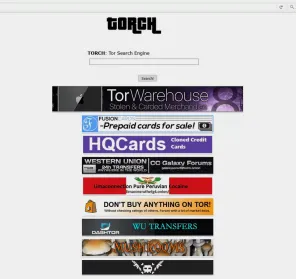
Torch
Torch serves as a comprehensive search engine for .onion sites, indexing millions of pages with limited content filtering.
Onionxmh57jrknzkhv6y3ls3ubitzfqnkrwxhopf5aygthi7d6rplyvk3noyd.onion
SecureDrop
SecureDrop is designed for whistleblowers to submit documents anonymously to journalists, used by prominent media outlets worldwide.
Notes
Explore More Dark Web Resources
Discover additional insights and tools to enhance your journey.
Visit More Articles